


Natural Environment Teaching Riverside: Helping Skills Carry Into Everyday Life

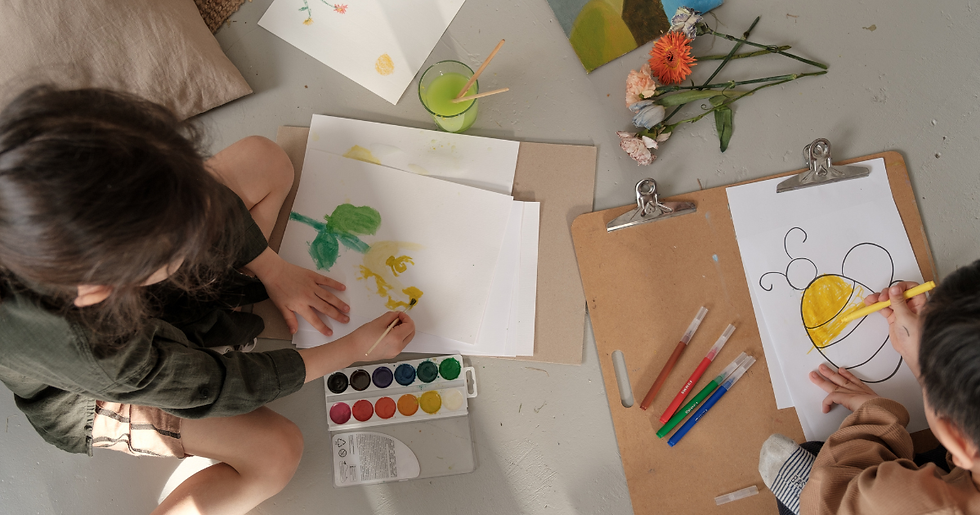
Natural Environment Teaching helps children build communication, social, and daily living skills through play, routines, and real-life experiences. This evidence-based ABA therapy approach encourages children to practice skills in meaningful settings so progress made in therapy can carry into the home, school, and community.
What Is Natural Environment Teaching?
Natural Environment Teaching, often called NET, is an ABA therapy approach that supports learning during everyday activities rather than only through structured table work. Children practice important developmental skills while engaging in play, routines, social interaction, and activities that feel motivating and familiar.
For young children, learning often happens best when it feels natural and connected to daily life. A child may practice communication during snack time, build social interaction skills during play with peers, or strengthen independence while following everyday routines.
At Advanced Behavioral Specialists, Natural Environment Teaching is integrated into individualized ABA therapy programs to help children build meaningful skills in ways that feel supportive, engaging, and developmentally appropriate.
How Natural Environment Teaching Riverside Supports Meaningful Learning
Natural Environment Teaching Riverside focuses on helping children apply skills across different settings and experiences. This process is often called generalization of skills, which means children can use what they learn beyond the therapy environment.
For example, a child who practices requesting help during a clinic activity may begin using the same communication skills at home, during community outings, or in social situations with peers.
Learning through natural interaction can support:
Communication development
Social interaction
Daily living skills
Emotional regulation
Play skills
Flexibility with routines
Independence in everyday activities
By practicing skills throughout real-life experiences, children often become more comfortable using those skills in different environments.
Why Play and Daily Routines Matter in ABA Therapy
Play and routines create valuable opportunities for children to learn naturally throughout the day. Many important developmental skills are built during everyday moments such as:
Playing with toys
Sharing activities with peers
Cleaning up after play
Getting dressed
Participating in meals
Transitioning between activities
Following simple routines
These experiences encourage communication, attention, cooperation, and problem solving in ways that feel practical and meaningful.
Natural Environment Teaching also helps keep learning engaging for young children. Therapists follow the child’s interests and motivation to encourage participation and interaction while supporting individualized developmental goals.
Supporting Communication Through Everyday Interaction
Communication development is often woven throughout Natural Environment Teaching activities. Instead of practicing communication only during structured instruction, children have opportunities to communicate during real interactions and routines.
For example, therapists may encourage children to:
Request preferred items
Ask for help
Respond during conversation
Participate in games and songs
Express wants and needs
Practice greetings and social interaction
These moments happen naturally throughout therapy sessions, creating meaningful opportunities for children to build communication skills in context.
The Centers for Disease Control and Prevention (CDC) highlights the importance of early developmental support and everyday learning opportunities for children with autism. The Autism Society of America also emphasizes individualized, family-centered approaches that encourage skill development across environments.
How Natural Environment Teaching Encourages Skill Generalization
One of the goals of ABA therapy is helping children use skills consistently across different settings, people, and routines. Practicing a skill in only one environment may make it harder for children to apply that same skill elsewhere.
Natural Environment Teaching supports generalization of skills by creating opportunities to practice learning throughout:
Clinic activities
Play-based interaction
Daily routines
Peer engagement
Family participation
Community experiences
This approach helps children become more flexible and confident using communication, social, and daily living skills in everyday life.
For many families, seeing skills carry over into home and community routines feels especially meaningful because progress becomes part of daily experiences.
Family-Centered ABA Therapy and Everyday Learning
Families play an important role in helping children strengthen and maintain new skills. Ongoing collaboration between caregivers and clinicians supports consistency across environments and routines.
Family-centered ABA therapy may include:
Caregiver guidance and collaboration
Shared goal planning
Home routine strategies
Communication support techniques
Progress updates and feedback
When caregivers understand how to support learning naturally throughout the day, children often have more opportunities to practice and strengthen important skills.
At Advanced Behavioral Specialists, families are viewed as valued partners throughout the therapy journey. Programs are designed to support meaningful progress while encouraging connection, participation, and individualized growth.
Why Natural Learning Approaches Support Long-Term Growth
Children often learn best when skills are connected to meaningful experiences and relationships. Natural Environment Teaching helps bridge the gap between therapy sessions and everyday life by encouraging learning during activities children already experience throughout their day.
This approach supports:
Greater comfort using skills naturally
Increased participation during routines
More opportunities for social interaction
Stronger communication development
Confidence across settings
Continued growth beyond the clinic
For children with autism, these everyday learning opportunities can create a strong foundation for long-term developmental progress.
Encouraging Meaningful Growth Through Everyday Learning
Natural Environment Teaching creates opportunities for children to build communication, social interaction, and daily living skills during the moments that matter most. By integrating evidence-based support into play, routines, and real-life experiences, children can practice using skills naturally across different environments and situations.
Advanced Behavioral Specialists proudly supports families throughout Riverside County and San Bernardino County through compassionate, individualized ABA therapy that encourages meaningful progress both inside and outside the clinic setting.
Begin your family's ABA therapy journey with compassionate, personalized care grounded in everyday learning.
FAQ About Natural Environment Teaching Riverside
What is Natural Environment Teaching in ABA therapy?
Natural Environment Teaching is an ABA therapy approach that encourages children to learn communication, social, and daily living skills during play and everyday activities.
Why is Natural Environment Teaching important?
This approach helps children practice skills in meaningful settings so they can apply learning more naturally across home, clinic, school, and community environments.
What does generalization of skills mean?
Generalization of skills refers to a child’s ability to use learned skills across different people, settings, and situations.
Is Natural Environment Teaching play-based?
Many Natural Environment Teaching activities involve play, routines, and child-led interaction to support learning in engaging and motivating ways. Therapists follow the child's interests to keep participation feeling natural and comfortable.
How do families participate in Natural Environment Teaching?
Families help support learning by practicing skills during everyday routines and activities at home and in the community.


Comments